
How Brand Shows Up On-Site at Apartments & Hotels
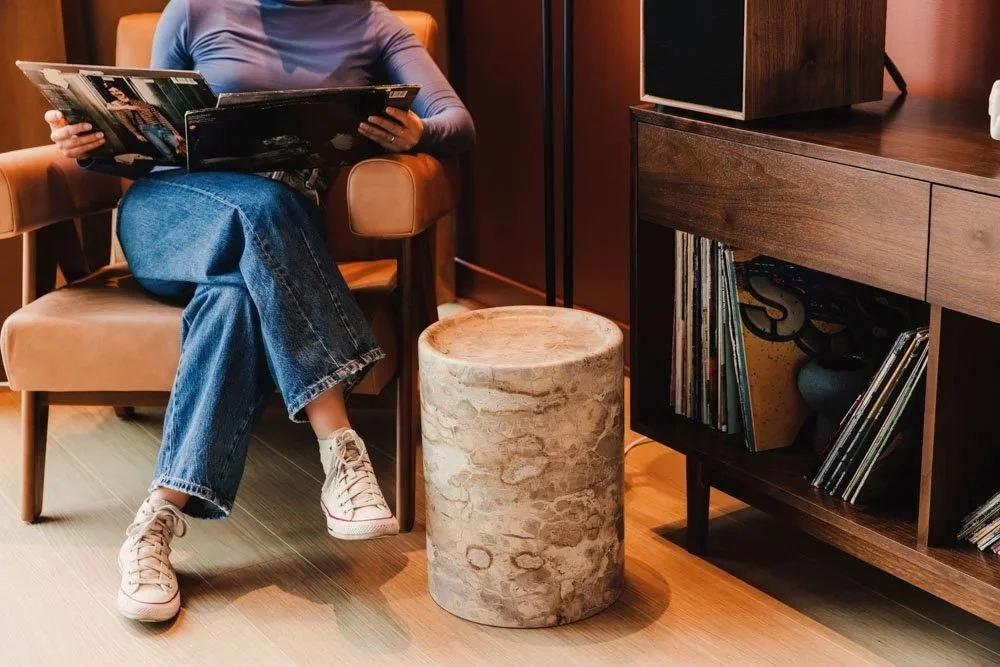
When CRE developers hear “branding,” they often picture the visible pieces: the name, logo, color palette, signage, website and leasing materials.
But for hotels and apartment communities, a strong brand can do so much more. It can shape the experience people have from the moment they arrive—from how they’re greeted and what the lobby feels, sounds, even smells like, to what the leasing team highlights on tours and how staff communicate with residents and guests.
So how does brand translate into the spaces, services and interactions people experience on-site?
From Brand Promise to Lived Experience
Every property makes a promise to its audience.
When it describes itself as social, resort-like, whimsical, innovative or restorative, it’s setting an expectation for what being there will actually feel like.
And it’s the job of the on-site experience to deliver on that promise.
For example:
If an apartment community presents itself as social and energetic, but its shared spaces are library-quiet and staff interactions are all-business, the experience contradicts the promise.
While if hotel positions itself as a restorative getaway and is able to deliver a calm arrival, seamless service and thoughtful ways to recharge, the experience consistently delivers the idea.
And that consistency will drive affinity, loyalty and value.
Where Brand Shows Up On-Site
The Physical Environment
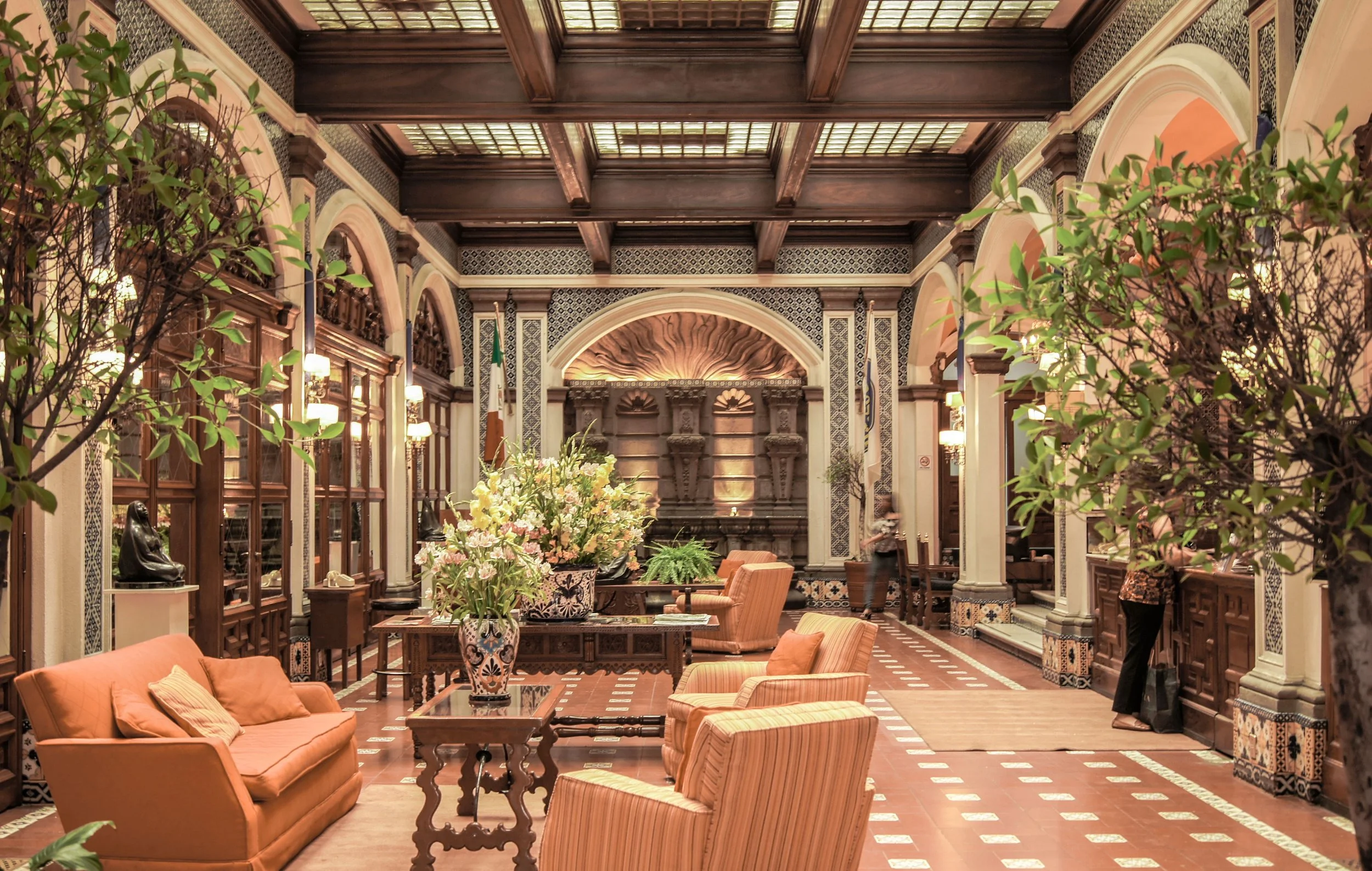
Architecture, materials, lighting, landscaping, furniture, artwork, scent and sound all influence how a property feels. Every physical choice should help reinforce the experience the brand is designed to create.
An intimate boutique hotel may use layered lighting and local artwork to create character. An apartment community built around ease may prioritize intuitive wayfinding and shared spaces that work the way residents actually live.
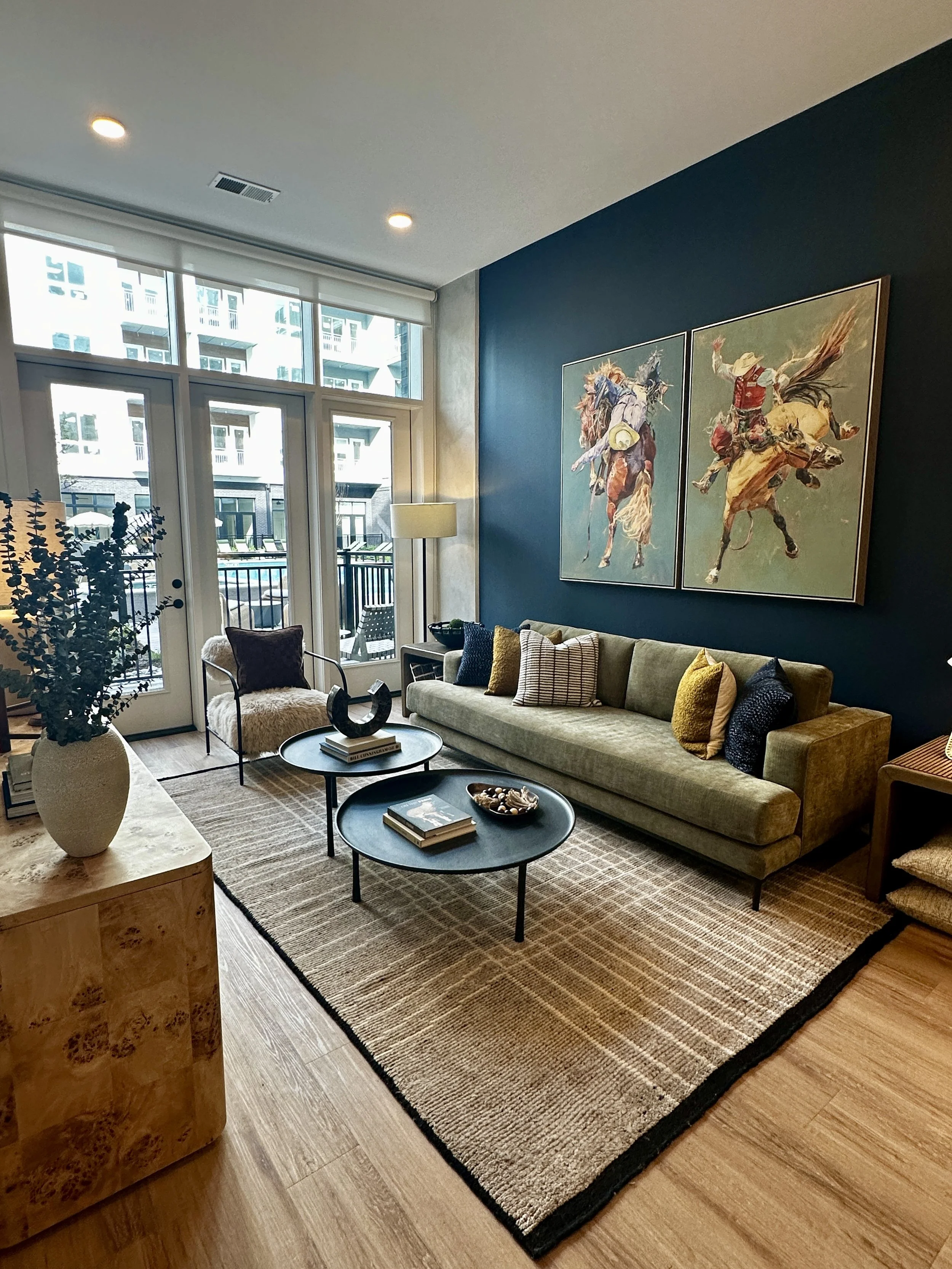
Even model-unit staging can play a role. A second bedroom might be shown as a home office, nursery or guest room depending on the property’s target audience.
Language & Human Interactions
Your brand’s voice and language should influence a lot more than your website copy.
Consider your amenity names, for example:
Is your room of open desks, printers and phone booths an “office space,” a “business center,” or a “coworking lounge?” Do people work out in a “gym,” a “fitness studio,” or a “wellness club?”
Your brand voice should come through in wayfinding, welcome materials, resident or guest communications … even the talking points on leasing tours.
How is someone greeted when they first step into the lobby?
How do teams respond when something goes wrong?
A warm, neighborly brand may prioritize personal communication, while a premium, tech-forward one may prioritize speed and efficiency. Both deliver excellent service. But the expression should fit the promise.
Amenities & Services
Brand can influence more than how amenities are named. It can help determine which amenities belong in the property at all.
Maybe a brand that champions sustainability shouldn’t devote significant space and resources to a pool
If a residential brand is all about bringing people together and hosting, maybe a community kitchen area be more beneficial standard resident lounge
A boutique hotel promising deep community roots might want to offer coffee from a local staple, instead of a national chain

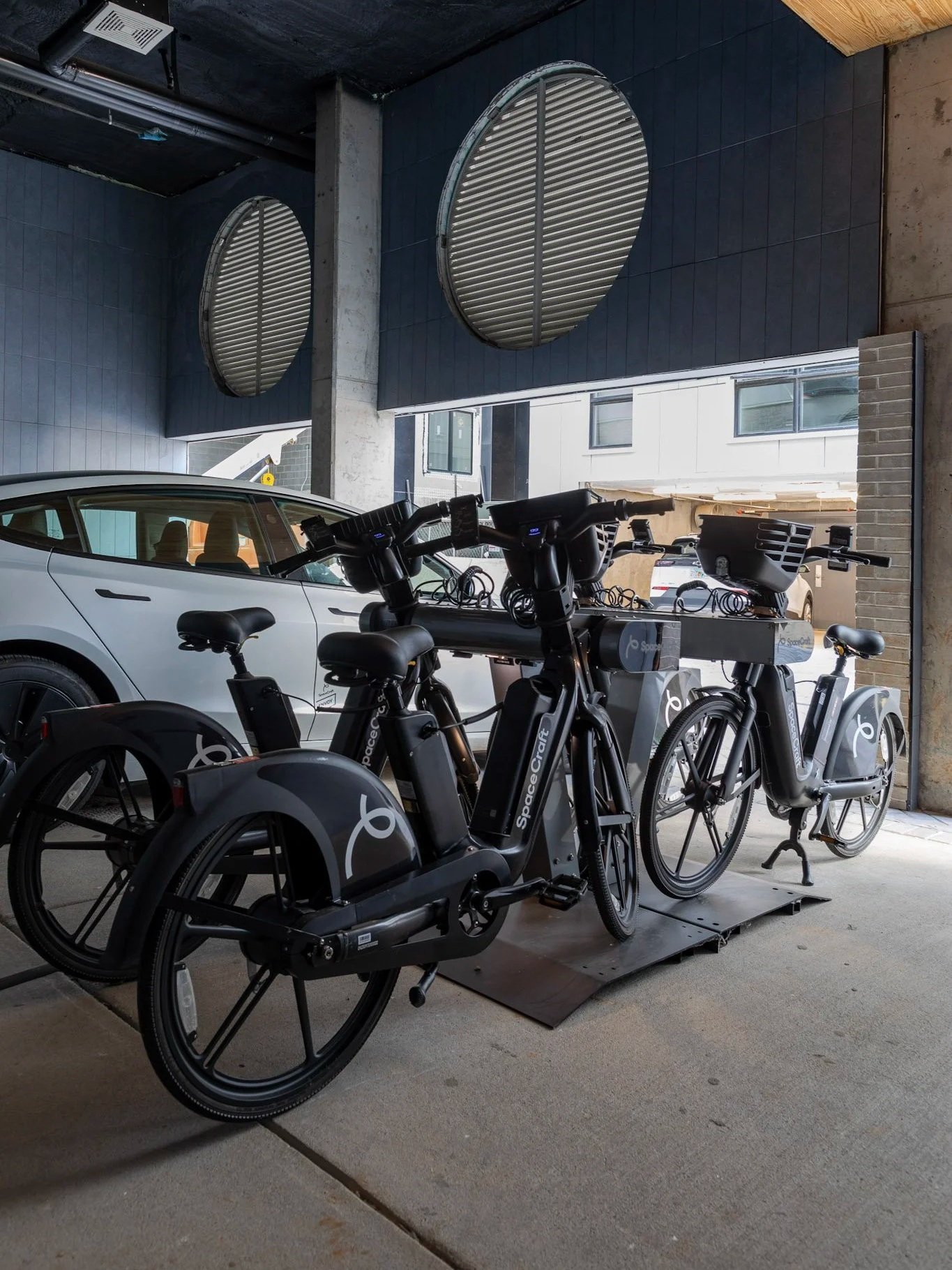
Different properties, different priorities: Shared e-bikes and EVs at Joinery support Space Craft’s focus on connected, car-optional living, while the sauna and red-light therapy room at Chamberlain House bring its emphasis on wellness and restoration into the resident experience.
Instead of assembling the expected amenity checklist, invest in what creates the most value for that specific property.
Programming & Partnerships
The events held on-site, as well as partnerships with businesses, vendors and organizations, can either reinforce or dilute a property’s identity.
A brand rooted in neighborhood connection might collaborate with nearby restaurants, independent retailers or artists. A property centered on restoration might offer quieter wellness programming rather than filling the calendar with constant social events.
The point is to create the right experiences for the people the property was built for.
For brand to influence the on-site experience, it needs to enter the conversation before major experience decisions are set.
When the strategy is established early, it can help teams evaluate amenities, shared spaces, service models, programming and other decisions through a consistent lens: Who is this for? What experience are we trying to create? Does this choice reinforce it?
When branding begins later, it can still give the property a name, identity and compelling story. But by then, many of the decisions that determine how the property actually feels may already be set.
Of course, brand won’t dictate every finish or operational detail. But a clearly articulated vision and strategy gives developers, designers, operators, leasing teams and marketers a shared point of view as they build the experience together.
Build More Value Into the On-Site Experience
The features that first attract someone to a property will always matter. But lasting connection is shaped by how the place makes people feel.
We see time and time again that people are willing to spend more for premium experiences, and it’s no different for apartments and hotels. Infusing the on-site experience with thoughtful, brand-specific details can help turn a standard property into a place people will go out of their way for. (Or, as we like to say, a place they’ll love on purpose.)
“Premium positioning now requires clear lifestyle differentiation.”
- JLL, Experience Matters 2025
A cohesive brand helps developers focus investment around the experiences that matter most to their audience. It gives operators clear standards for delivering those experiences and gives leasing and marketing teams a property that’s easier to explain and distinguish.
Paired with a strong product and strong operations, that alignment creates a more distinctive, memorable place, and a more credible premium position.