
The Cost of Waiting: How Early Brand Strategy Helps in CRE Development

Here’s the thing: Brand is going to shape your commercial real estate project whether you plan for it or not.
The question is whether brand helps shape the project or is left trying to explain it after the important decisions have already been made.
For many developments, branding enters the conversation toward the end of the process, when construction is underway, leasing is approaching and it's time to start thinking about how the property will go to market.
But by that point, many of the decisions that define the property's identity and experience have already been made.
And while a strong brand can still bring those decisions together, the opportunity to influence them is considerably smaller.
So, what does it actually cost to wait?
Brand Strategy Helps Shape What You’re Building
Every development starts with a vision. There's a business plan, a financial model, an understanding of the market and a general idea of what the project should become.
But translating that vision into a distinctive, cohesive experience requires another layer of clarity.
Who are you building for?
What do they value?
What would make them choose this property over another nearby?
What role should the building play within its neighborhood or community?
These questions help define the project's brand positioning. And when they're answered early enough, they can inform decisions that go well beyond logos, signage, or marketing materials.
Consider a mixed-use development intended to become a neighborhood gathering place:
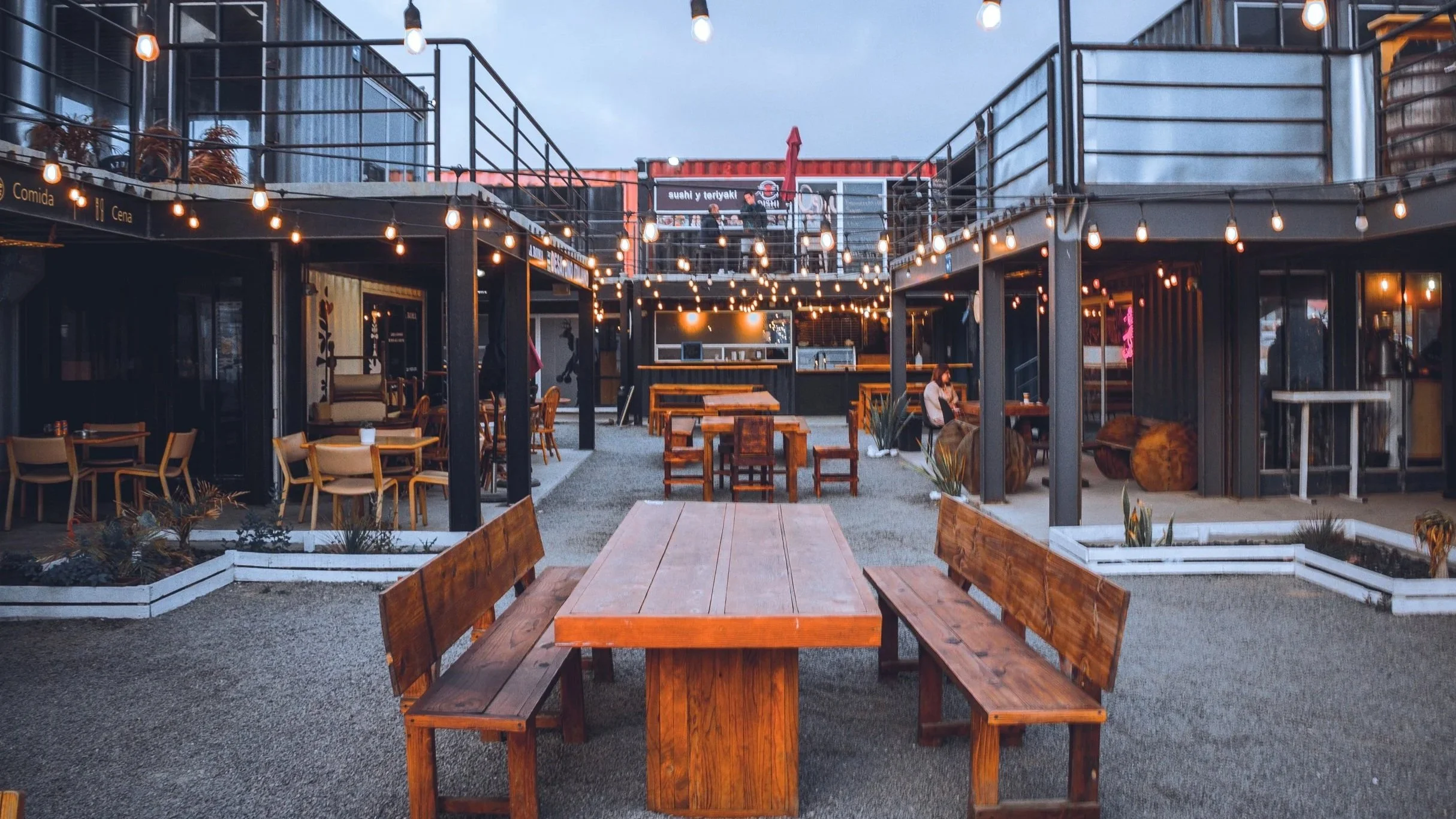
If that's the goal, what does it mean for the project itself? Maybe it calls for smaller retail spaces that attract local businesses rather than national chains. Maybe it influences the design of public areas, pedestrian connections, or the types of restaurants and services that belong there.
Now imagine those decisions have already been made before the project's positioning is clearly defined. The opportunity to create that neighborhood gathering place may still exist, but the physical environment could limit how fully the vision comes to life.
That's where early brand strategy can make a meaningful difference.
It gives developers, designers, leasing teams and operators a shared understanding of what they're creating and why, so decisions across the project support a common direction.
What Happens When Brand Comes in Too Late?
Of course, delaying brand strategy doesn't mean a development will fail. But it can introduce costs, constraints and missed opportunities that become harder to address as the project progresses.

1. You Lose Opportunities to Influence the Product
The further a development advances, the more decisions become difficult or expensive to change.
Unit layouts are established. Amenity spaces are designed. Retail configurations are set. Operational plans begin to take shape.
If brand strategy later reveals that the intended audience values something different from what's being delivered, the team faces a choice: revisit those decisions, potentially adding cost and complexity, or work within the constraints of what's already been built.
Neither is ideal.
For example, a multifamily development may discover that its target residents prioritize flexibility, community and opportunities to work from home. But if the amenity program has already been finalized around a different set of assumptions, there may be limited room to respond.
Early brand strategy creates an opportunity to test those assumptions while there's still flexibility to act on them.
2. You Make It Harder to Stand Out in the Market
As opening approaches, the pressure to generate interest increases. Leasing teams need a compelling pitch. Marketing teams need messaging and content. Prospective tenants, residents, or guests need a reason to pay attention.
Without a clear point of view, it's easy to fall back on the same features competitors are promoting: convenient location, modern finishes, premium amenities and thoughtfully designed spaces.
Those features may be valuable, but they're rarely unique.
Brand strategy helps connect those features to the priorities of a specific audience, creating a stronger story about why the property deserves their attention.
And that story can start building interest well before opening day.
When positioning is established early, it can inform everything from leasing materials and tenant outreach to pre-opening campaigns and community engagement. When it's established late, marketing has less time to build recognition and demand around a differentiated offering.
3. The Brand Promise May Not Match the Experience
A compelling brand can get someone interested in a property. The experience itself determines whether that interest holds up.
Imagine a development positioned around creativity and connection, but with shared spaces that discourage gathering, limited opportunities for community programming, or an operating model that doesn't support the experience being promised.
The messaging may sound great. But there's a disconnect between what people expect and what they encounter.
And when the experience doesn't deliver on the promise, it becomes harder to build meaningful differentiation. Prospective customers are left comparing the things they can easily measure: price, square footage, concessions, or amenities.
Aligning brand strategy with design and operations early helps ensure the property's positioning is something people can actually experience, rather than simply something they read about on a website.
So, How Early Should Brand Enter the Conversation?

Bringing brand into the development process early doesn't mean having every branding decision finalized on day one.
You don't need a finished logo, website, or marketing campaign before development begins.
What you do need is a clear strategic foundation that can guide the decisions that follow.
At minimum, that means understanding:
Your audience: Who are you building for and what do they value?
Your positioning: What makes this development meaningfully different from other options in the market?
Your purpose: Why does this project deserve to exist here and what role should it play in the surrounding community?
Your promise: What should people expect from the property and how should it make them feel?
Your experience: What physical and operational decisions will make that promise credible?
These inputs can inform early planning, design, programming and leasing strategy, creating a foundation for the creative work that comes later.
And because development is rarely a perfectly linear process, the strategy can evolve as the project takes shape.
The goal is to establish enough clarity to keep the next decision from contradicting the last one.
The Cost of Waiting Is the Opportunity You Lose

Every commercial real estate project ends up with a brand. It takes shape through decisions about the audience, architecture, tenant mix, operations and how the property enters the market.
The difference is how intentionally those decisions work together.
Brand strategy can add value at any stage of development. But the earlier it enters the conversation, the more opportunities it has to shape the project itself.
And once certain decisions are made, even the strongest branding can't always make up for what could have been considered earlier.